
New York's no-fault insurance system offers crucial protection for cyclists in Manhattan and Queens, ensuring they can access financial support for accident-related injuries regardless of fault. Cyclists have the same rights as drivers on the road, including specific laws regarding right of way at intersections and hand signals for turns. Understanding these local laws is vital for a safe cycling experience. In case of an accident, cyclists should document evidence and contact their insurance provider or a specialized lawyer to protect their rights, especially when fault is in question. Choosing an experienced attorney specializing in cyclist rights is key to navigating complex cases effectively.
“In New York City, especially within bustling Manhattan, cyclists face unique challenges navigating traffic laws. This guide delves into the intricacies of no-fault insurance, a crucial aspect of cycling in Queens. Understanding your rights and the legal framework, particularly regarding cyclist right of way laws, is essential for safety and compensation. From navigating Manhattan’s traffic to filing claims, this article provides a comprehensive overview, empowering cyclists with knowledge. Learn about common challenges and discover how choosing the right lawyer specializing in no-fault insurance and cyclist rights can significantly impact your case.”
- Understanding No-Fault Insurance in New York: A Quick Guide
- Cyclist Right of Way Laws: What Every Rider Needs to Know
- Manhattan's Traffic Laws: Special Considerations for Cyclists
- When and How to File a Claim as a Cyclist in Queens
- Common Challenges Faced by Cyclist Right of Way Cases
- Choosing the Right Lawyer: Expertise in No-Fault Insurance and Cyclist Rights
Understanding No-Fault Insurance in New York: A Quick Guide

No-Fault Insurance, a key component of New York’s insurance system, plays a significant role in protecting individuals involved in motor vehicle accidents. In this state, all automobile policies include no-fault coverage, ensuring that accident victims can seek compensation for medical expenses and lost wages regardless of who caused the collision. This is particularly important for cyclists in Manhattan, where sharing the road with vehicles is common.
When a cyclist is involved in an accident, New York’s no-fault insurance system provides them with certain rights and benefits. Cyclists have the right to seek compensation from their own insurance provider if they sustain injuries, even if they were at fault for the incident. This means that cyclists in Manhattan can access financial support for medical bills, rehabilitation costs, and lost income without having to navigate complex legal battles. Understanding these rights is crucial for ensuring that cyclists receive the care and compensation they deserve after an accident.
Cyclist Right of Way Laws: What Every Rider Needs to Know
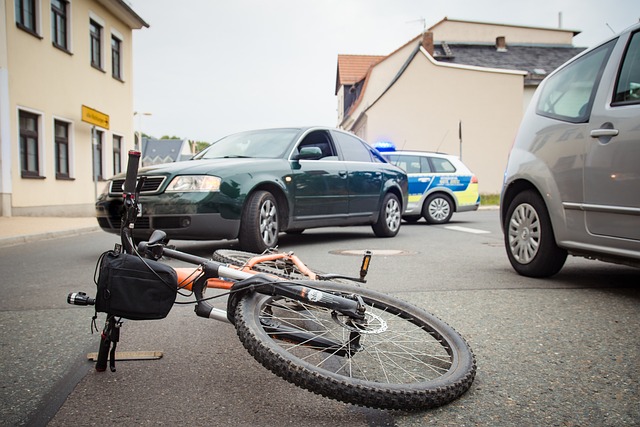
In New York City, including Manhattan and Queens, cyclists have specific rights and responsibilities on the road, just like drivers. Understanding cyclist right of way laws is crucial for both riders and motorists alike to ensure safe interactions and prevent accidents. Cyclists in Manhattan and Queens are granted the same right of way as drivers at intersections, meaning they should be treated as any other vehicle when navigating through traffic signals and stop signs.
When approaching an intersection or crossing a street, vehicles, including cars and trucks, must yield the right of way to cyclists who are approaching or within the crosswalk. This includes slowing down, stopping if necessary, and allowing cyclists to pass safely. Cyclists should always use hand signals when changing lanes or turning, adding visibility and predictability to their movements. By following these rules, both drivers and cyclists can contribute to a smoother, safer riding experience in Manhattan and Queens.
Manhattan's Traffic Laws: Special Considerations for Cyclists

In Manhattan, cyclists enjoy a right of way much like any other vehicle operator. This is crucial for navigating the bustling city streets and ensuring everyone’s safety. However, cyclist safety is often a point of contention in dense urban environments. Understanding local traffic laws is essential for both cyclists and motorists alike.
Manhattan’s Traffic Laws provide clear guidelines regarding cyclist rights and responsibilities. Bicyclists must follow the same rules of the road as motor vehicles, including stopping at red lights and stop signs. They are also required to yield when entering or crossing a roadway from a sidewalk or another trail. Knowing these regulations empowers cyclists to protect their rights while fostering a culture of shared responsibility on the roads, especially in areas with heavy traffic and limited space.
When and How to File a Claim as a Cyclist in Queens

As a cyclist navigating the streets of Queens, understanding your rights and the claims process is essential. If you’ve been involved in an accident, knowing when and how to file a claim can make all the difference in ensuring you receive fair compensation for any injuries or damages sustained.
In New York City, including Queens, cyclists have the same right of way as motor vehicles. This means that drivers must yield to you at intersections and when you’re properly signaled to move. If another party—whether a driver, pedestrian, or another cyclist—is at fault for an accident, you may be eligible to file a claim. Typically, this involves documenting the incident with evidence such as photos, witness statements, and medical records if injuries were incurred. Once prepared, contact your insurance provider or consult a no-fault insurance lawyer in Queens to guide you through the filing process, ensuring your rights are protected.
Common Challenges Faced by Cyclist Right of Way Cases

Cyclists in Manhattan often find themselves navigating complex legal challenges when advocating for their right of way on the roads. One of the primary hurdles is establishing fault, especially in cases where cyclists and motorists have an equal or shared responsibility for an accident. Cyclist right of way cases in Manhattan can be particularly intricate due to the city’s dense traffic and unique urban landscape.
Another common challenge arises from the varying interpretations of traffic laws and signals, which can lead to disagreements between cyclists and drivers about who had the right of way at a particular intersection. Additionally, proving liability in cyclist-vehicle collisions can be difficult, as it requires meticulous documentation of events, witness statements, and sometimes even expert testimony to determine negligence on either side. These complexities underscore the importance of retaining experienced legal counsel for individuals involved in such incidents.
Choosing the Right Lawyer: Expertise in No-Fault Insurance and Cyclist Rights

When seeking a lawyer for no-fault insurance claims in Queens, expertise is key. Ensure your chosen legal representative specialises in this area and understands the nuances of cyclist rights, especially when navigating complex cases involving right of way in Manhattan.
Experience matters; a lawyer who has successfully handled numerous similar cases can offer valuable insights and strategic advice tailored to your unique situation. This is crucial when dealing with insurance companies that may attempt to undermine your claims. The right lawyer will be adept at communicating your case effectively, protecting your rights, and maximising the compensation you receive.
When navigating the complexities of cyclist right of way laws in Manhattan, understanding no-fault insurance is key. This guide has equipped you with essential knowledge about your rights and legal options. Whether you’re facing a collision or advocating for a loved one, knowing when and how to file a claim, and recognizing common challenges, can make all the difference. When choosing a lawyer, seek expertise in both no-fault insurance and cyclist rights to ensure the best representation in this intricate landscape. Remember, knowledge is power, and with the right guidance, you can advocate for your interests as a cyclist in Queens and beyond.