
In Brooklyn and Manhattan, New York City's bustling cycling community enjoys equal rights with motor vehicle drivers under personal injury laws. Cyclists have specific advantages like right-of-way in designated lanes, but must yield to pedestrians at all times. Understanding these laws is crucial for advocating and seeking compensation for injuries caused by others' negligence. Key challenges include right-of-way issues, inadequate infrastructure, distracted driving, and adverse weather. Cyclists may be entitled to fair reimbursement for medical costs, lost wages, pain, and suffering. Consulting a specialized attorney is advisable in navigating Brooklyn's legal complexities, especially with Manhattan's stringent laws. A robust support network advocates for cyclist safety and provides legal, medical, and financial assistance.
“In Brooklyn, as in many urban centers, cyclists face unique challenges on the road. This article guides you through the intricate web of personal injury compensation, focusing on a cyclist’s perspective. We explore Brooklyn’s personal injury laws and delve into the complex topic of right-of-way rules for cyclists, specifically examining Manhattan’s regulations. Understanding common causes of bicycle accidents is key to navigating potential legal paths. Learn about evaluating compensation, the legal process, and available support for injured cyclists in these urban environments.”
- Understanding Personal Injury Laws in Brooklyn: A Cyclist's Perspective
- The Right of Way for Cyclists: Unraveling Manhattan's Rules
- Common Causes of Bicycle Accidents in Urban Environments
- Evaluating Compensation for Cyclist Injuries: What to Expect
- Navigating the Legal Process After a Crash in Brooklyn
- Support and Resources for Injured Cyclists in Manhattan
Understanding Personal Injury Laws in Brooklyn: A Cyclist's Perspective

In Brooklyn, personal injury laws are designed to protect all individuals, including cyclists, on the roads. When it comes to a cyclist’s perspective, understanding right-of-way rules is crucial. In New York State, cyclists have the same rights and responsibilities as motor vehicle drivers, which means they must follow traffic signals and signs, maintain a safe speed, and use appropriate lights and reflectors at night. However, in many cases, cyclists are granted specific rights regarding right-of-way, especially when navigating through intersections or sharing roads with larger vehicles. For instance, in Manhattan, where bike lanes are prevalent, cyclists often have the right of way within these designated lanes, encouraging a more harmonious sharing of the road.
Knowing these laws can empower Brooklyn’s cycling community to protect themselves and claim compensation if they suffer injuries due to another party’s negligence. Cyclists should be aware that in many accidents involving bicycles and motor vehicles, the cyclist may not always be at fault, especially when considering factors like vehicle speed, driver inattention, or inadequate road design. Understanding their rights under personal injury compensation laws can help cyclists seek fair reimbursement for medical expenses, lost wages, and pain and suffering.
The Right of Way for Cyclists: Unraveling Manhattan's Rules
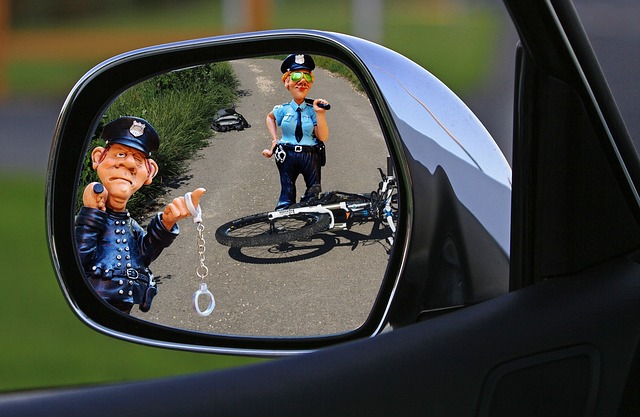
In New York City, especially in Manhattan, navigating the roads as a cyclist comes with its unique challenges. Understanding the right of way is crucial for both cyclists and motorists to ensure safe shared spaces. When it comes to Brooklyn, specific laws and regulations govern interactions between cyclists and drivers, particularly regarding who has the right of way in various scenarios.
Manhattan’s rules differ slightly, emphasizing the need for cyclists to yield to pedestrians at all times. Cyclists are granted the right of way when traveling on a bicycle lane or path, but they must still be vigilant and considerate of other road users. In areas without designated bike lanes, cyclists are allowed to take the lane if necessary for safety, which can be a game-changer for navigating Manhattan’s labyrinthine streets.
Common Causes of Bicycle Accidents in Urban Environments

In urban environments like Brooklyn and Manhattan, where bicycle traffic is dense, several common causes contribute to accidents involving cyclists. One significant factor is the right-of-way issues. Cyclists have the same rights as motorists, but their smaller size and lack of a protective enclosure make them more vulnerable. Drivers often fail to yield to cyclists when making turns or crossing bike lanes, leading to collisions. Another critical cause is inadequate infrastructure for cycling. Insufficient bike paths, poorly designed intersections, and a lack of dedicated signals for cyclists can create hazardous conditions, increasing the risk of accidents.
Additionally, distracted driving and aggressive behavior contribute to bicycle accidents. Drivers using mobile phones, eating, or engaging in other distracting activities may not notice cyclists, leading to sudden movements that can cause crashes. Similarly, aggressive drivers who fail to respect cyclist speed and space can also be a significant hazard. Weather conditions play a role too; wet or icy roads, reduced visibility due to fog or rain, and poorly maintained surfaces increase the risk for both cyclists and motorists alike.
Evaluating Compensation for Cyclist Injuries: What to Expect

When a cyclist is involved in an accident, evaluating compensation for their injuries requires a careful consideration of various factors. In New York City, including Brooklyn, cyclists have the same right of way as motor vehicle drivers, especially when riding on designated bike lanes or paths. This means that if a collision occurs due to another party’s negligence, such as a driver failing to yield or running a red light, the cyclist may be entitled to compensation for their injuries and damages.
The amount of compensation can vary widely based on the severity of the injury, loss of income due to disability or time off work, medical expenses, pain and suffering, and other factors. In Manhattan, where cycling is prevalent, courts have recognized the unique challenges faced by cyclists in navigating city streets. As a result, cyclist injuries often command higher settlements or verdicts compared to other types of personal injury cases, reflecting the potential for more significant impacts on their quality of life and financial stability.
Navigating the Legal Process After a Crash in Brooklyn

After a crash in Brooklyn, navigating the legal process can be daunting, especially for cyclists who understand their rights but may feel overwhelmed by complex procedures. The first step is to ensure immediate medical attention and document the incident thoroughly. This includes taking photos of the scene, gathering contact information from witnesses, and noting down details like damage to vehicles and any injuries sustained.
In Brooklyn, cyclist right-of-way rules are crucial to understanding who is at fault. Cyclists have the same rights as motorists, including the right to travel in the same direction as other traffic and the right to a full lane when riding. When a crash involves a cyclist, it’s essential to consult with an attorney experienced in personal injury cases to ensure your rights are protected and you receive fair compensation for medical bills, pain and suffering, lost wages, and property damage.
Support and Resources for Injured Cyclists in Manhattan

For injured cyclists in Manhattan, navigating the roads and seeking compensation can be a challenging process. However, there is a supportive network in place to aid them during this time. Many organizations advocate for cyclist rights, ensuring that riders have the right of way on city streets and promoting road safety. These groups offer resources like legal assistance programs, where experienced attorneys specialize in personal injury cases involving cyclists. They guide victims through the complex process of filing claims, helping them understand their rights and entitlements under New York state law.
Additionally, there are community-based initiatives that provide practical support, such as access to medical care, rehabilitation services, and even financial aid. These resources cater to the unique needs of cyclists, ensuring they receive the best possible outcome after an accident. By leveraging these services, injured Manhattan cyclists can focus on their recovery while navigating the legal aspects of their case with expert assistance.
In conclusion, understanding personal injury compensation, especially for cyclists in Brooklyn, involves navigating complex laws and procedures. By recognizing the unique challenges faced by cyclists in urban environments, such as those in Manhattan, where right-of-way rules are crucial, injured parties can better protect their rights. Familiarizing oneself with common accident causes and expected compensation levels is key to a successful legal process. With the right support and resources, cyclists can navigate these challenges, ensuring they receive fair and adequate compensation for their injuries.